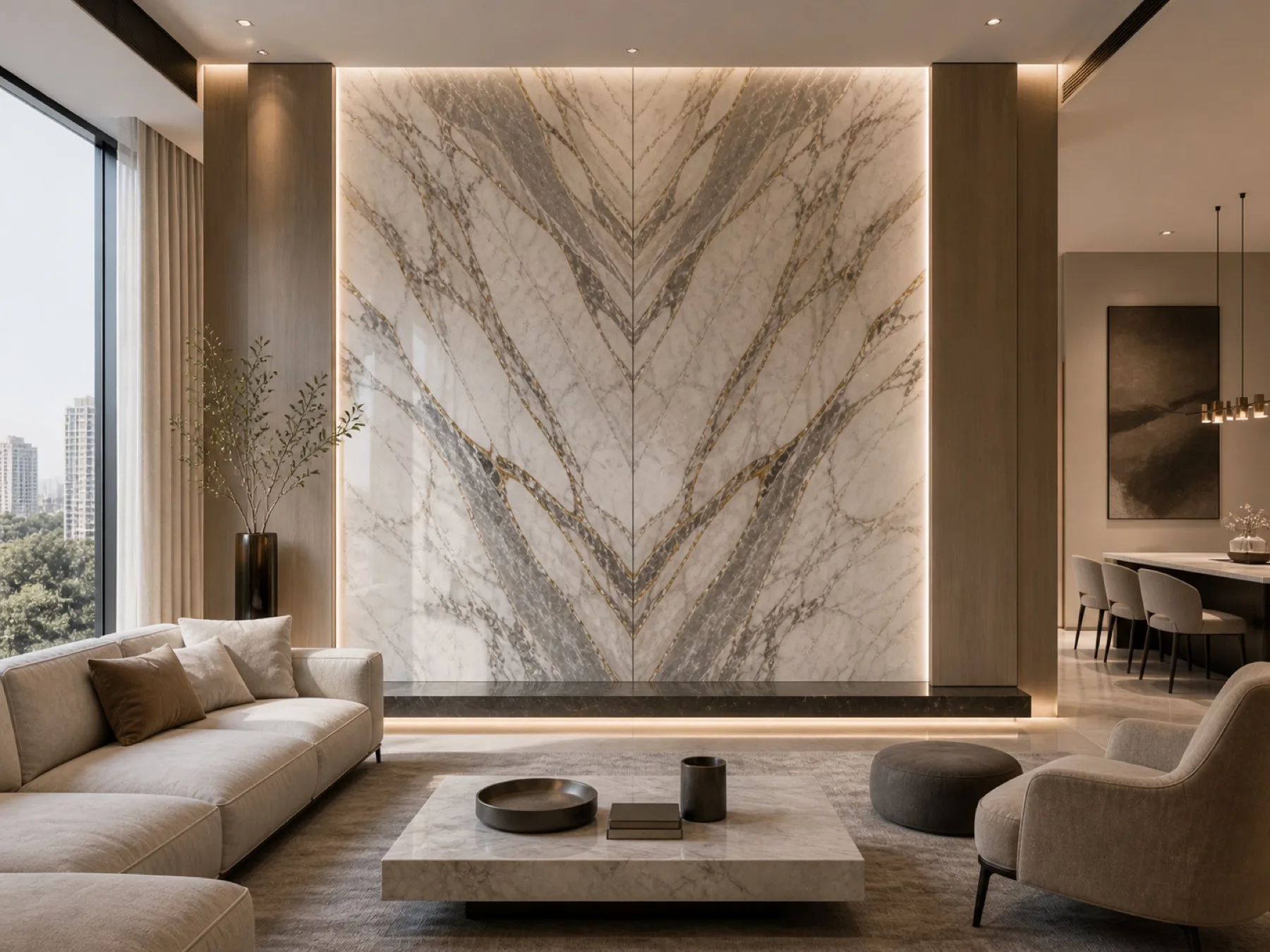

Decoration is no longer limited to kitchen countertops. Wall panels, furniture and accessories are also becoming strong applications for natural stone and porcelain. The real question for a workshop is where to use the luxury of marble and where to rely on the technical strength of porcelain.
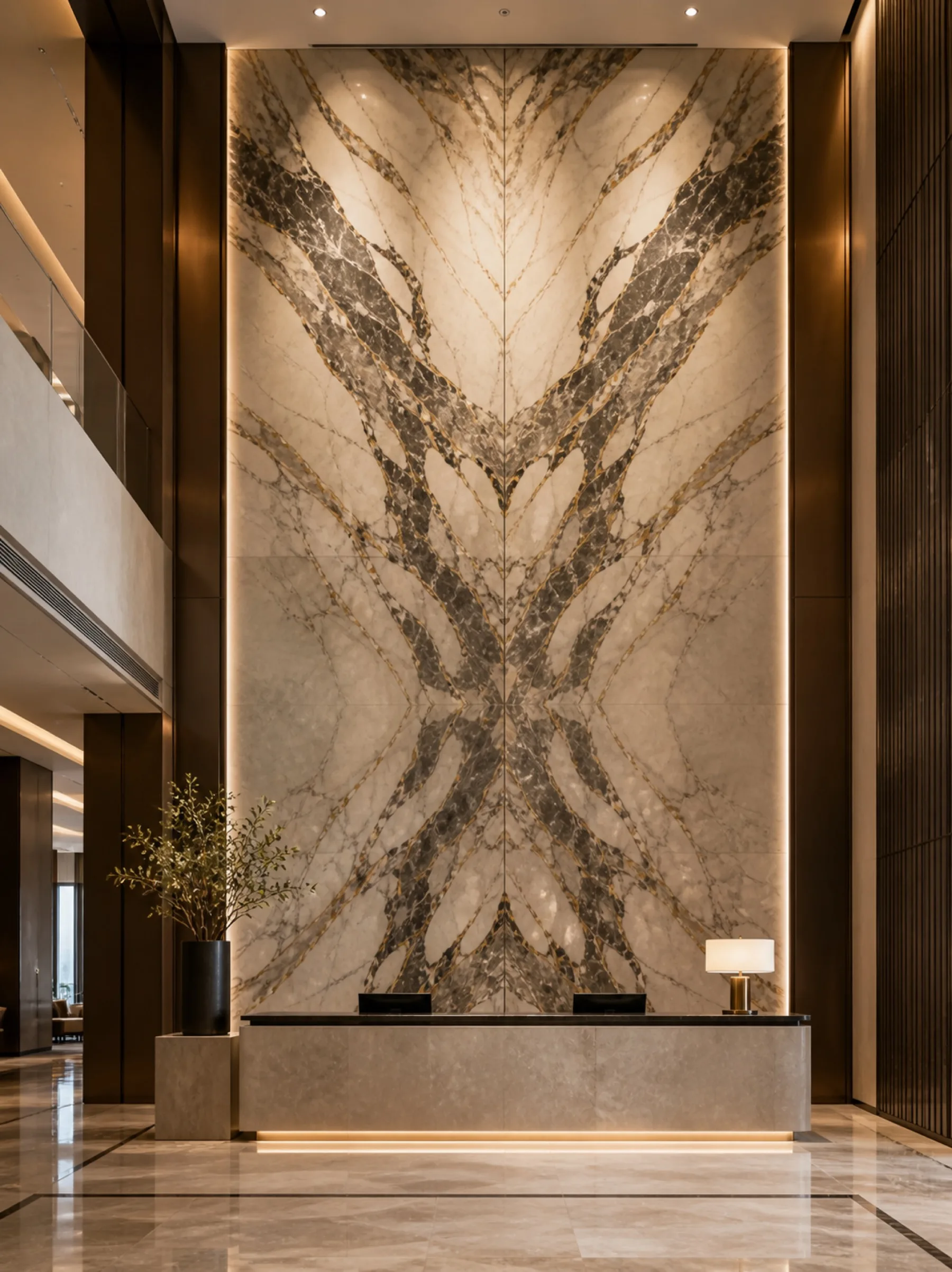
1. Luxury Wall Panels
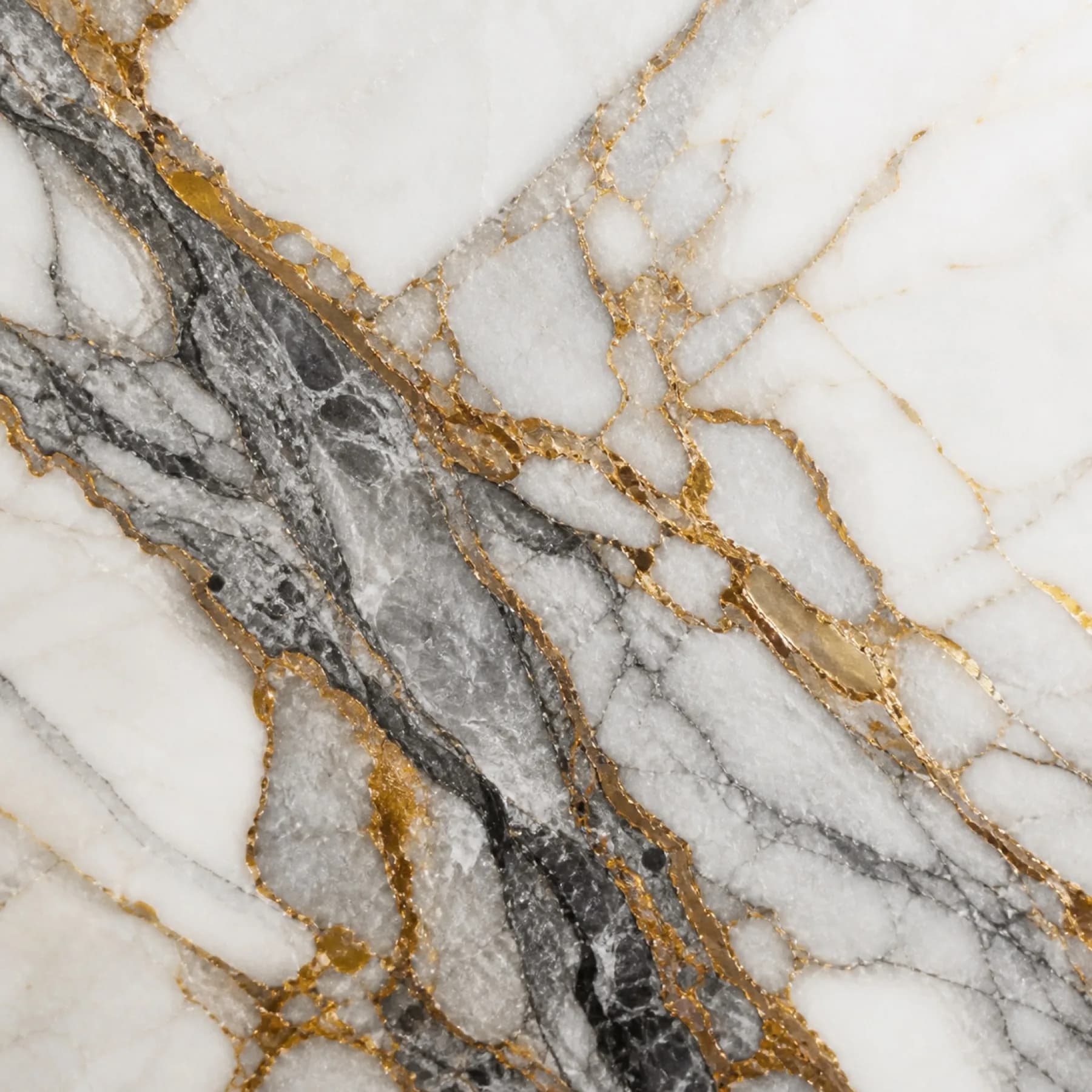
Wall cladding increases the perceived value of a home. In this application, porcelain often has a technical advantage because it can be produced in thin, lightweight and very large formats.
Where Porcelain Leads
- Thin and large: 3-6 mm slabs and 320x160 cm formats create a seamless look with fewer joints.
- Lightweight: It does not add unnecessary load to the building and is practical for bathroom walls and TV panels.
- Design flexibility: Backlit applications and large continuous surfaces create a dramatic effect.
2. Furniture Design
Dining tables and coffee tables are among the most attractive workshop products. Material selection directly affects customer satisfaction, logistics and long-term use.
Marble Tables: Weight and Nobility
- Pros: Premium appearance, unique veining and made-to-measure design value.
- Cons: Porous structure, staining risk and high weight.
Customers should be warned to protect marble from acidic liquids.
Porcelain Tables: Modern and Durable
- Pros: High scratch resistance, lighter construction and more flexibility with metal bases.
- Outdoor use: UV resistance makes porcelain suitable for garden furniture and terraces.
3. Boutique Product Ideas

“
Offcuts can become value when the product has a story.
- Serving pieces: Marble trays, candle holders and display pieces communicate luxury when finished with food-safe protection.
- Trivets and cutting boards: Heat-resistant porcelain is ideal for hot pots and hygienic preparation surfaces.
- Small collections: Repeatable sizes help turn leftover slab pieces into consistent, sellable product families.
4. Production Details That Matter
- Edge profiles: Porcelain is hard and can chip under impact; rounded or beveled corners are safer than sharp 90-degree edges.
- Cutting accuracy: Dedicated diamond tools and wet cutting reduce cracking risk.
- Care expectations: Grey marks on porcelain are usually metal residue and can be cleaned; acid marks on marble may require professional refinishing.